



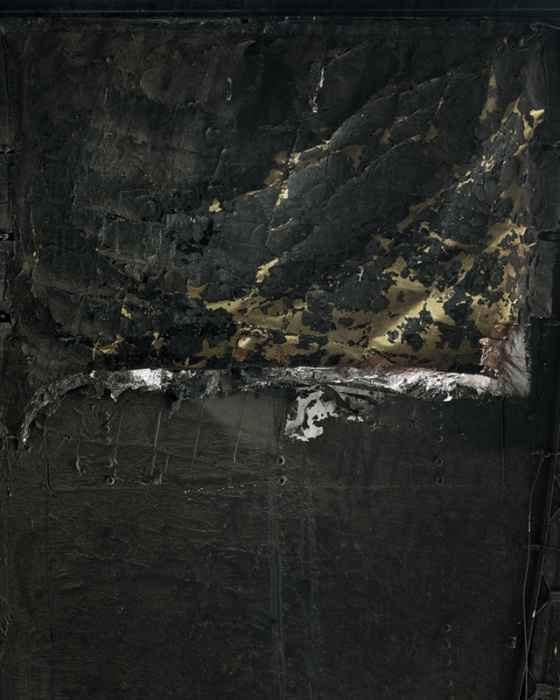
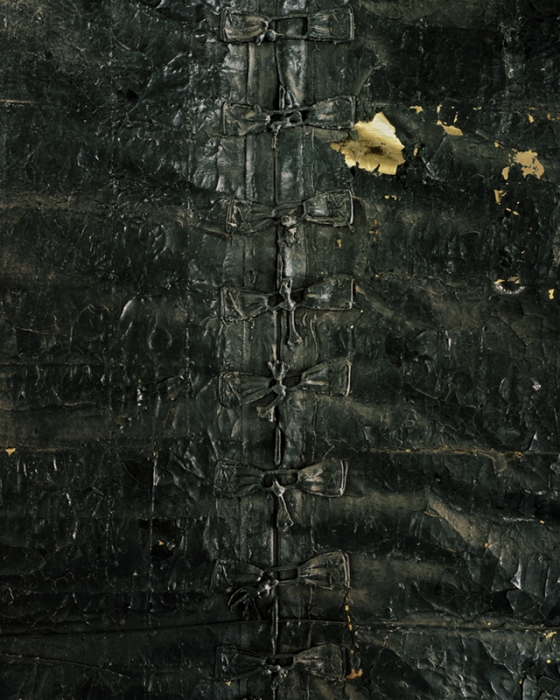
The Soviet space shuttle 'Buran' (Snowstorm) is a marvel of space architecture and engineering. 1206 subcontractors and 14.5 billion roubles were required for its development. Initially a response to theoretical martial uses of the US Shuttle program, the military capabilities of Buran remain classified. The collapse of the Russian economy caused the cancellation of the program in 1993. These images are of Buran 'OK-TVA', found on the bank of a river in Moscow. Some elements of the advanced materials still remain, along with traces of the engineers who built her. A spaceship unloved by Russia, a reminder of past glories and excesses.
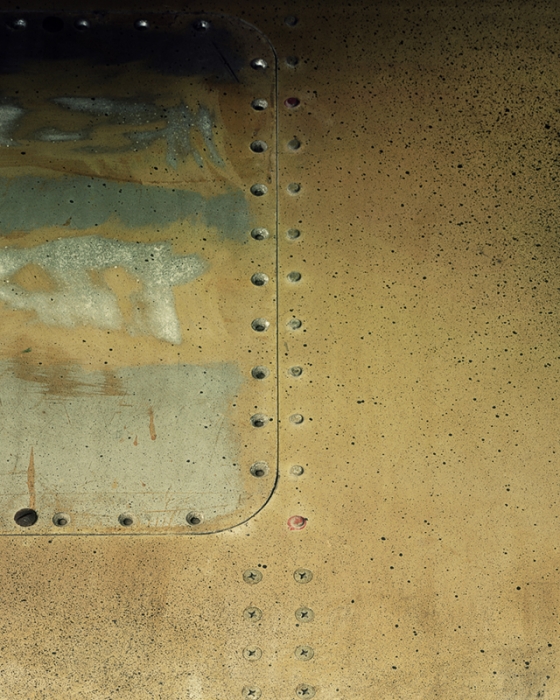
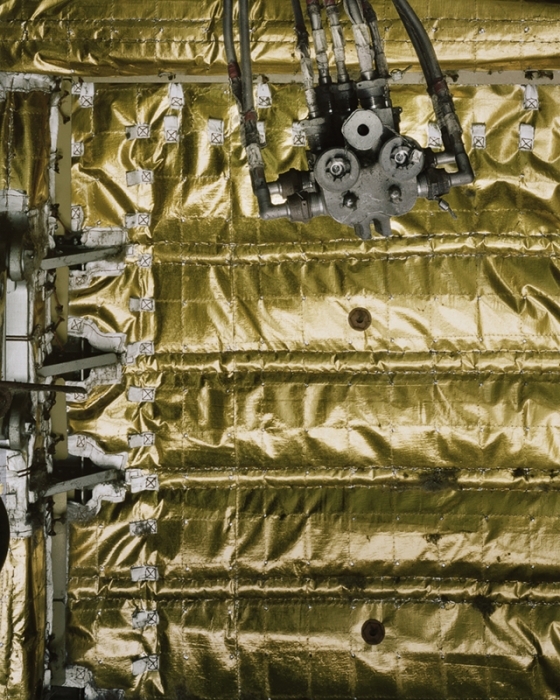
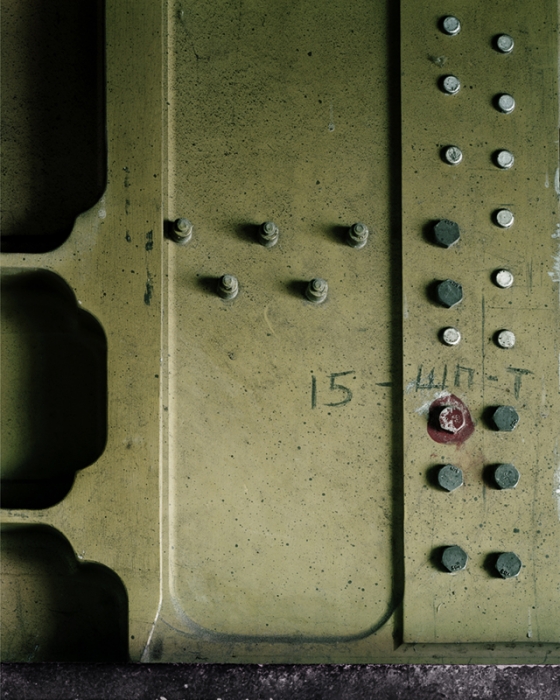
The Soviet space shuttle 'Buran' (or 'Snowstorm' in Russian) is a marvel of space architecture and engineering. It was able to carry 3 more people and a larger payload than the U.S. Space Shuttle (STS) and in 1988 it completed two perfect test orbits, remotely controlled, a technology unrivalled by STS at the time.
Originally developed in response to the STS program, as the Russian military had become suspicious that the shuttle could be used for military purposes, the exact military capabilities of the Buran program remain classified.
Buran involved the work of 1206 subcontractors, 100 government ministries and the total cost of the project was 14.5 billion roubles. The collapse of the Russian economy caused the cancellation of the program in 1993.
Unlike the shuttle 'Discovery' (soon to be added to National Air and Space Museum collection) all the Burans that still survive in Russia are in a desperate state. These images are of the Buran 'OK-TVA', found on the bank of a river in Moscow. Most of the original exotic space age materials have been removed, but some elements still remain, along with traces of the engineers who built her.
But she is a spaceship unloved by the Russians. A reminder of past glories and excesses.
At the end of 2011 the last space shuttle will fly from Cape Canaveral, after this the only method of transport for the US to the International Space Station will be the Russian 'Soyuz' craft designed in the 1960's. A far cry from the Buran's sophistication.