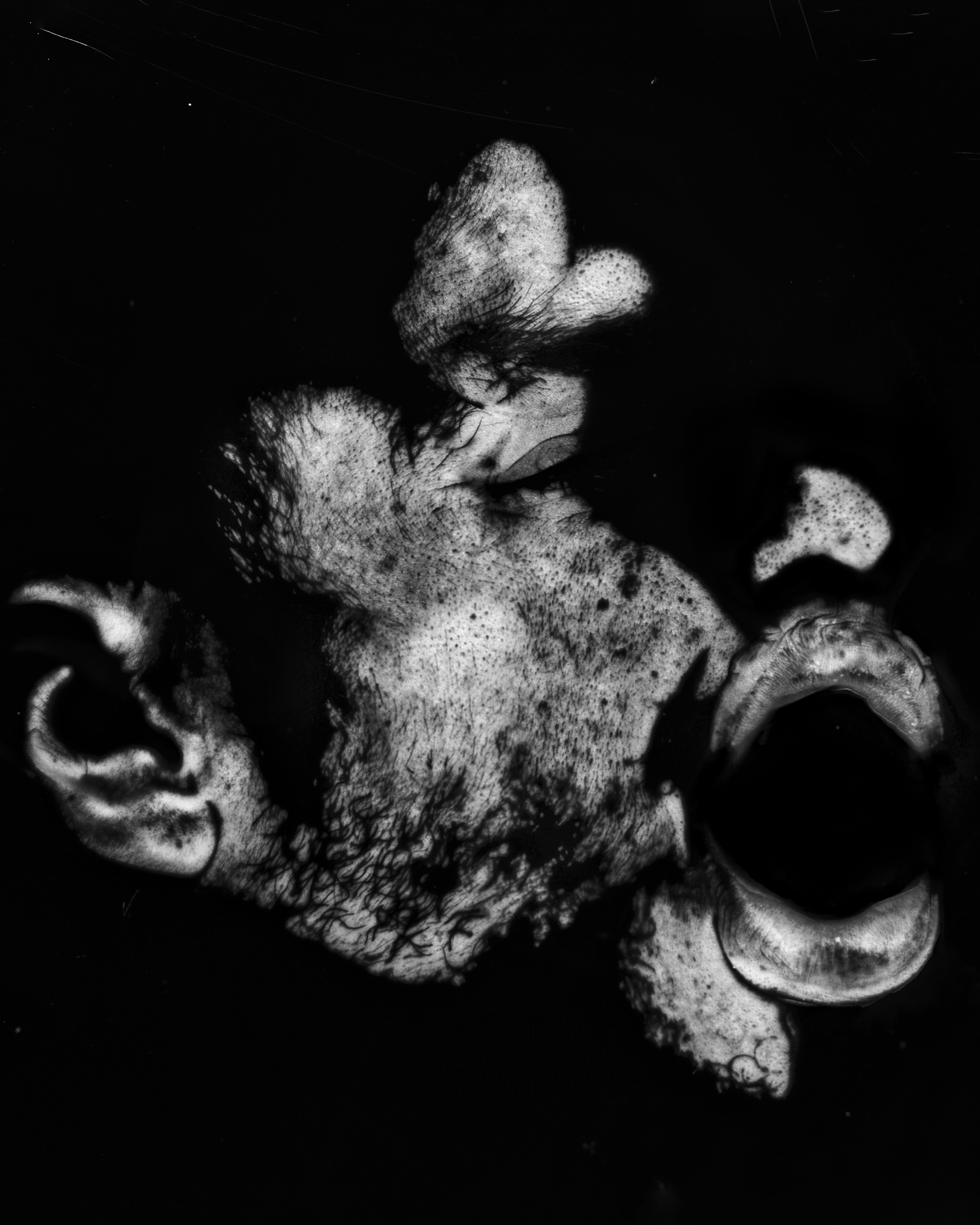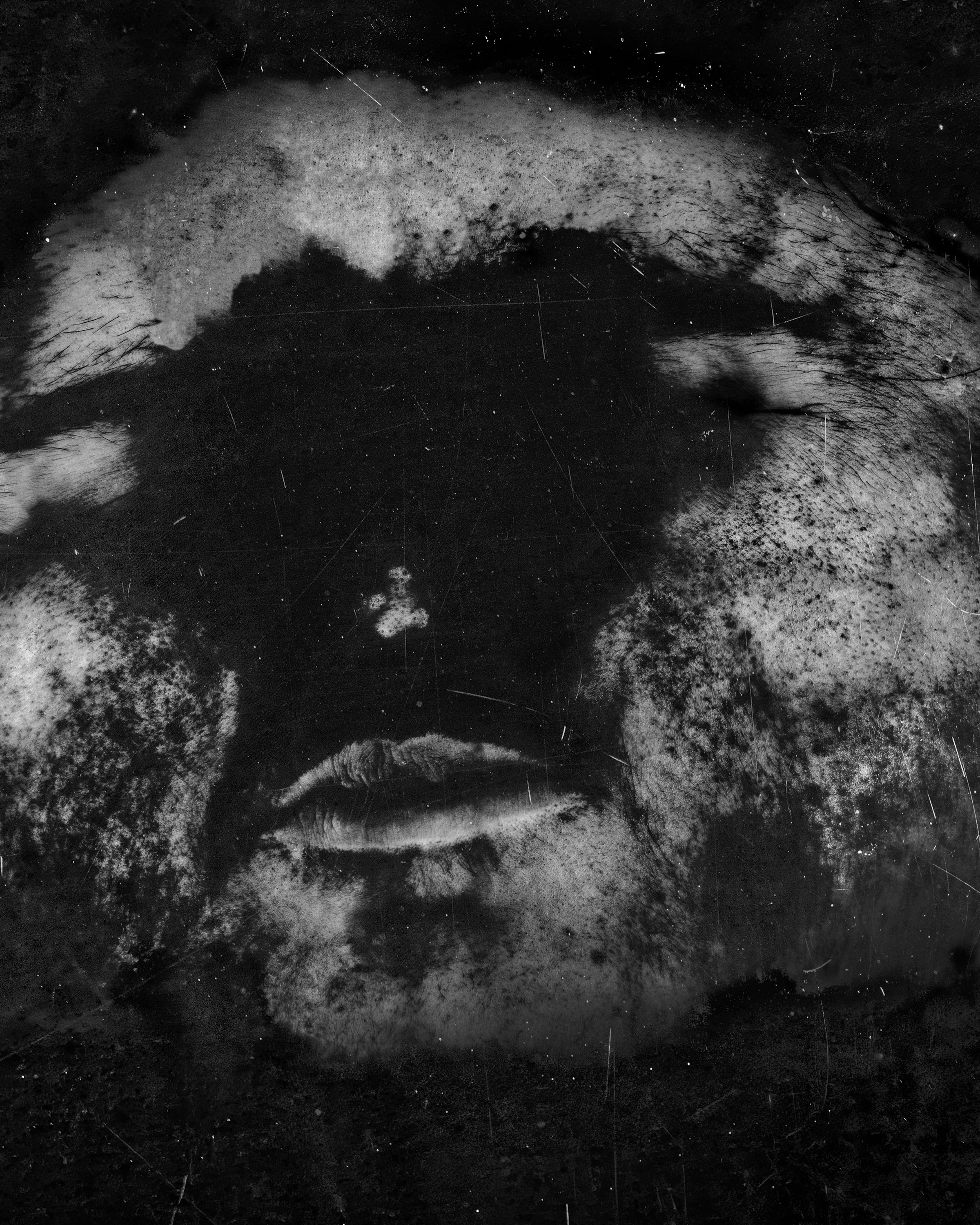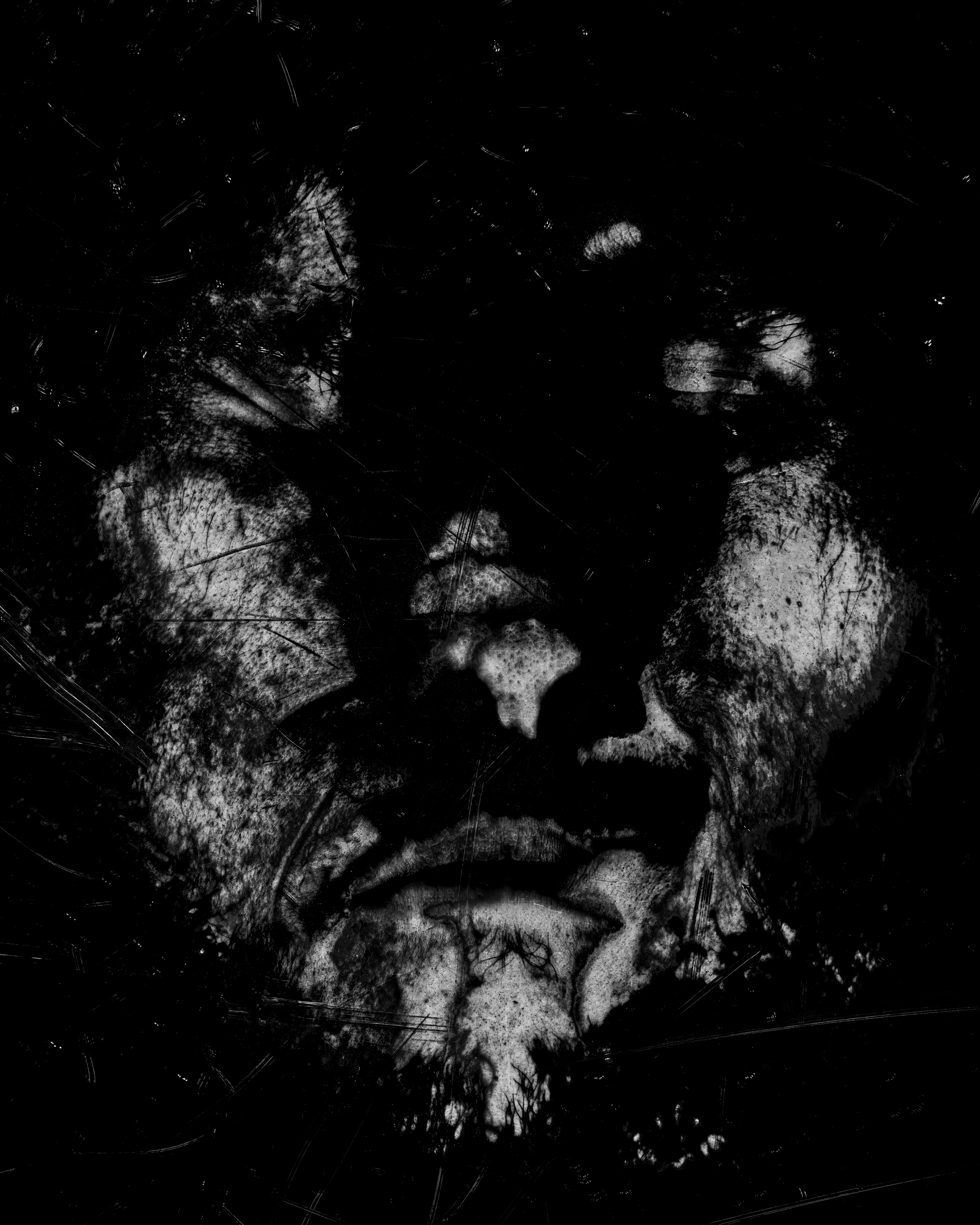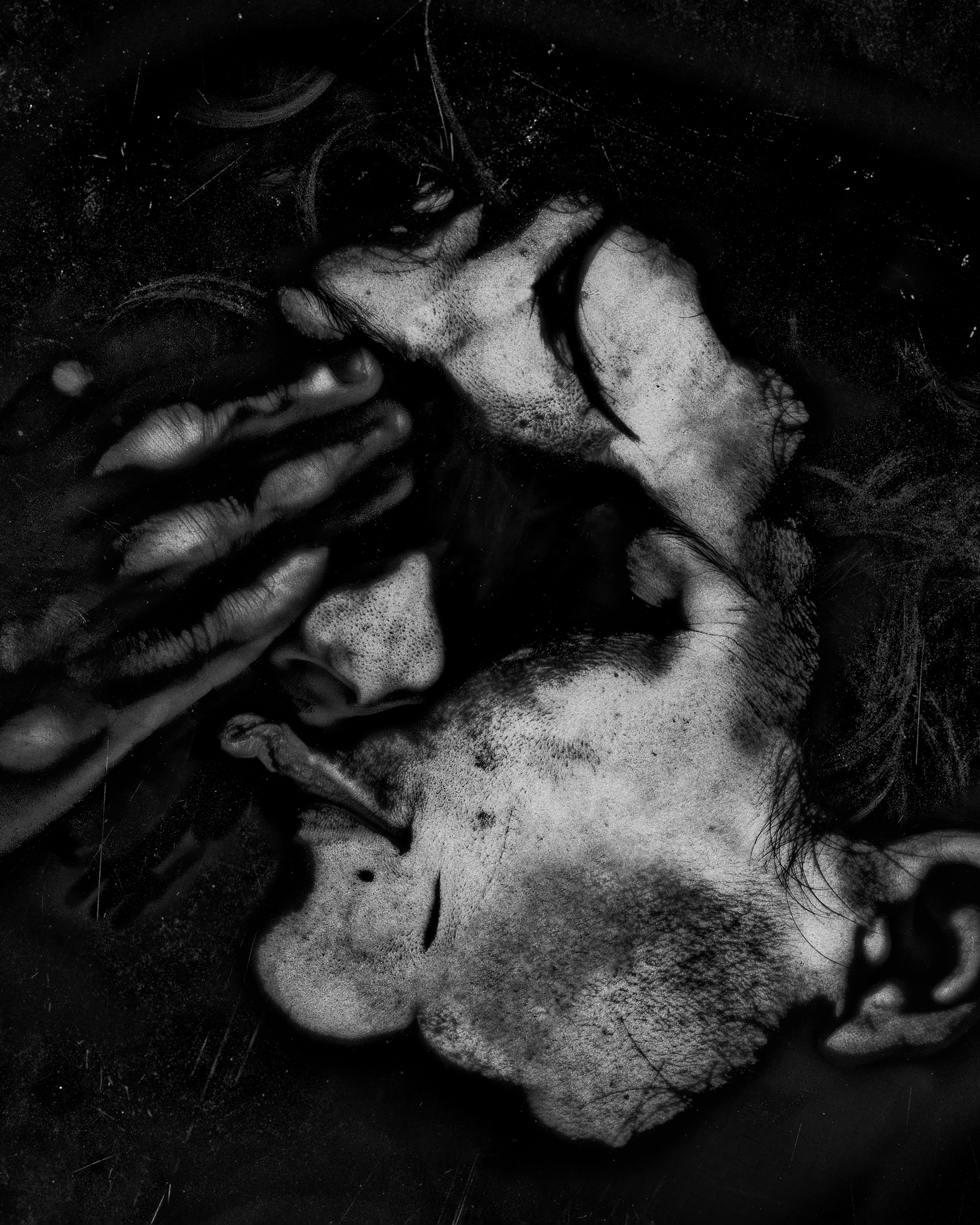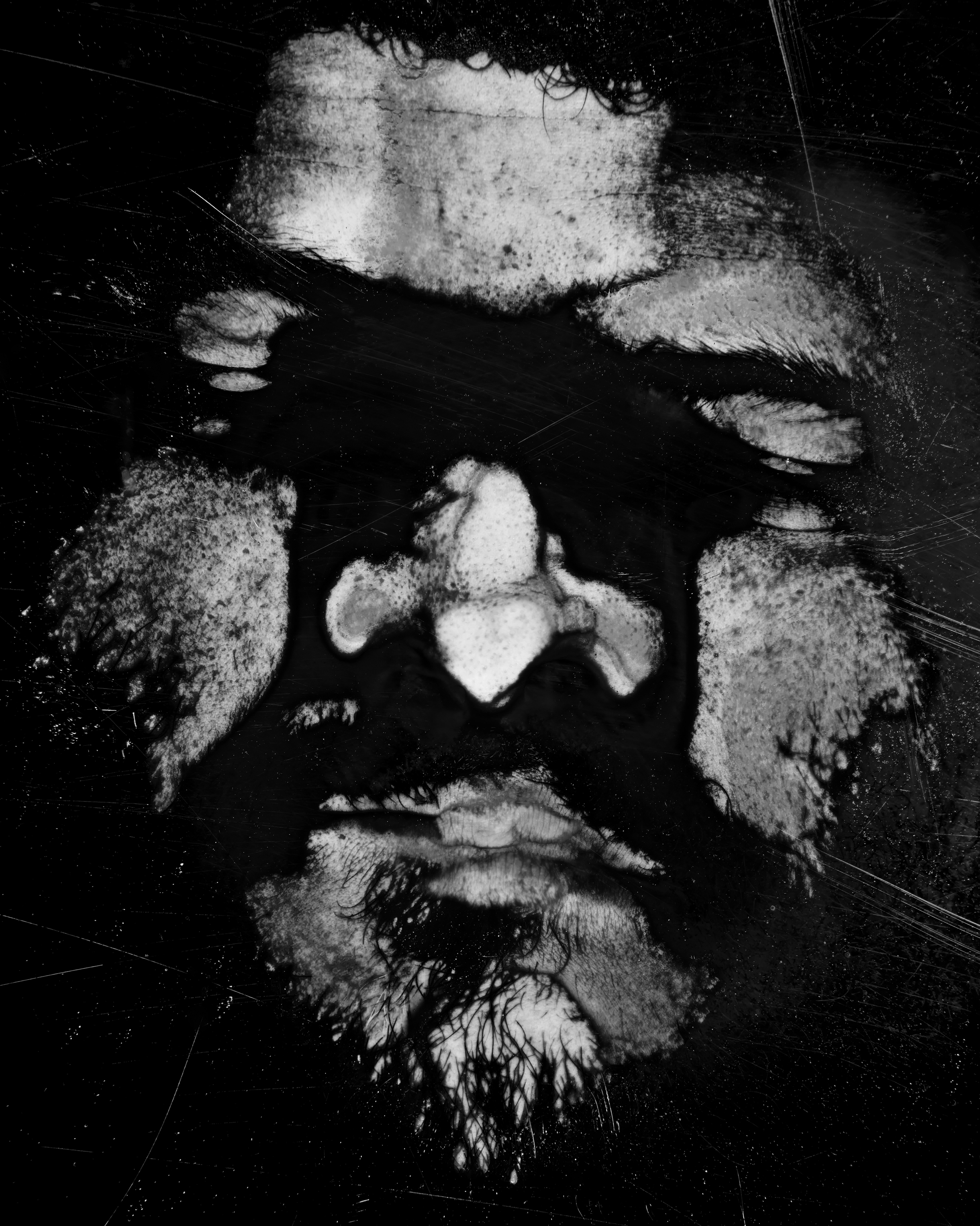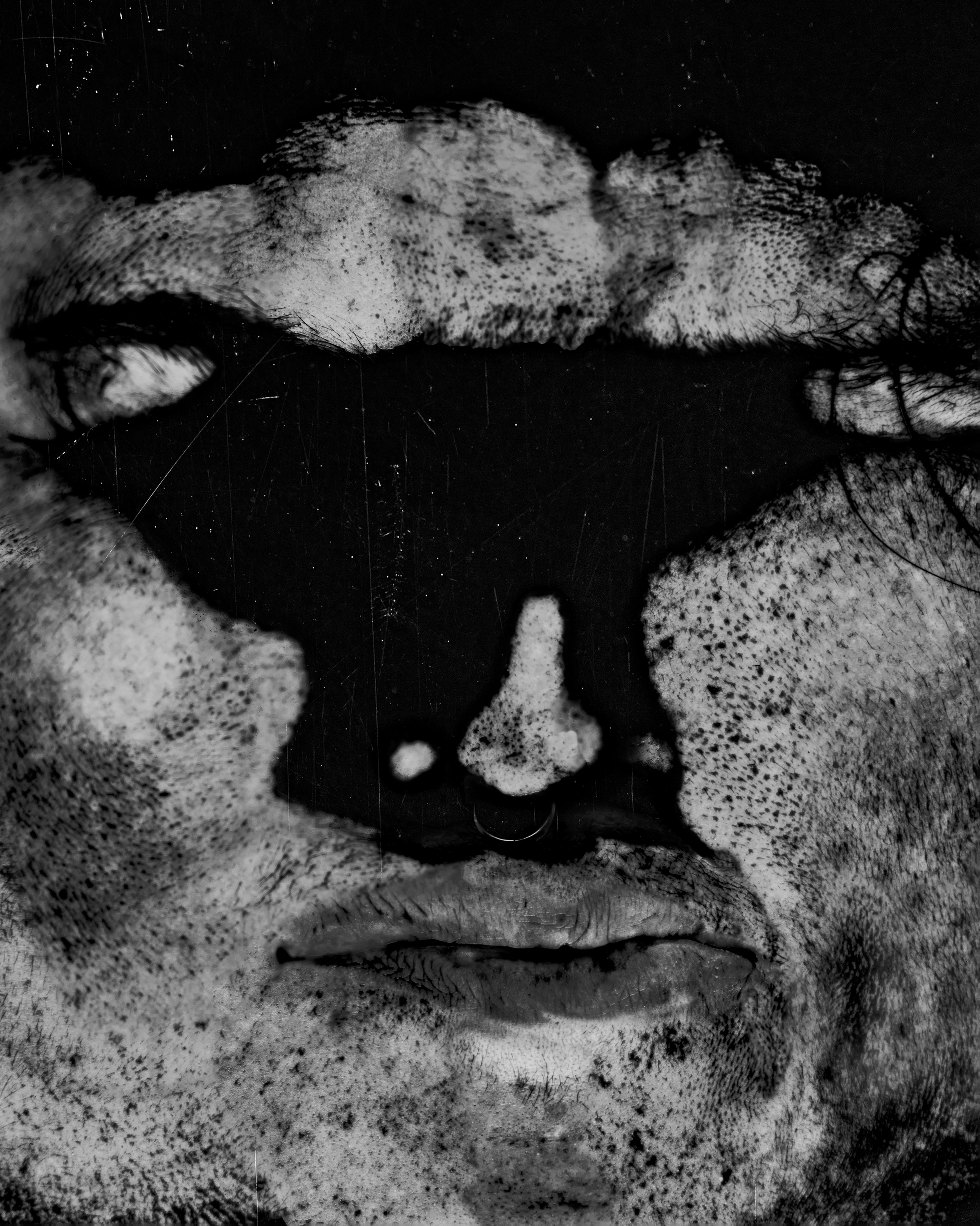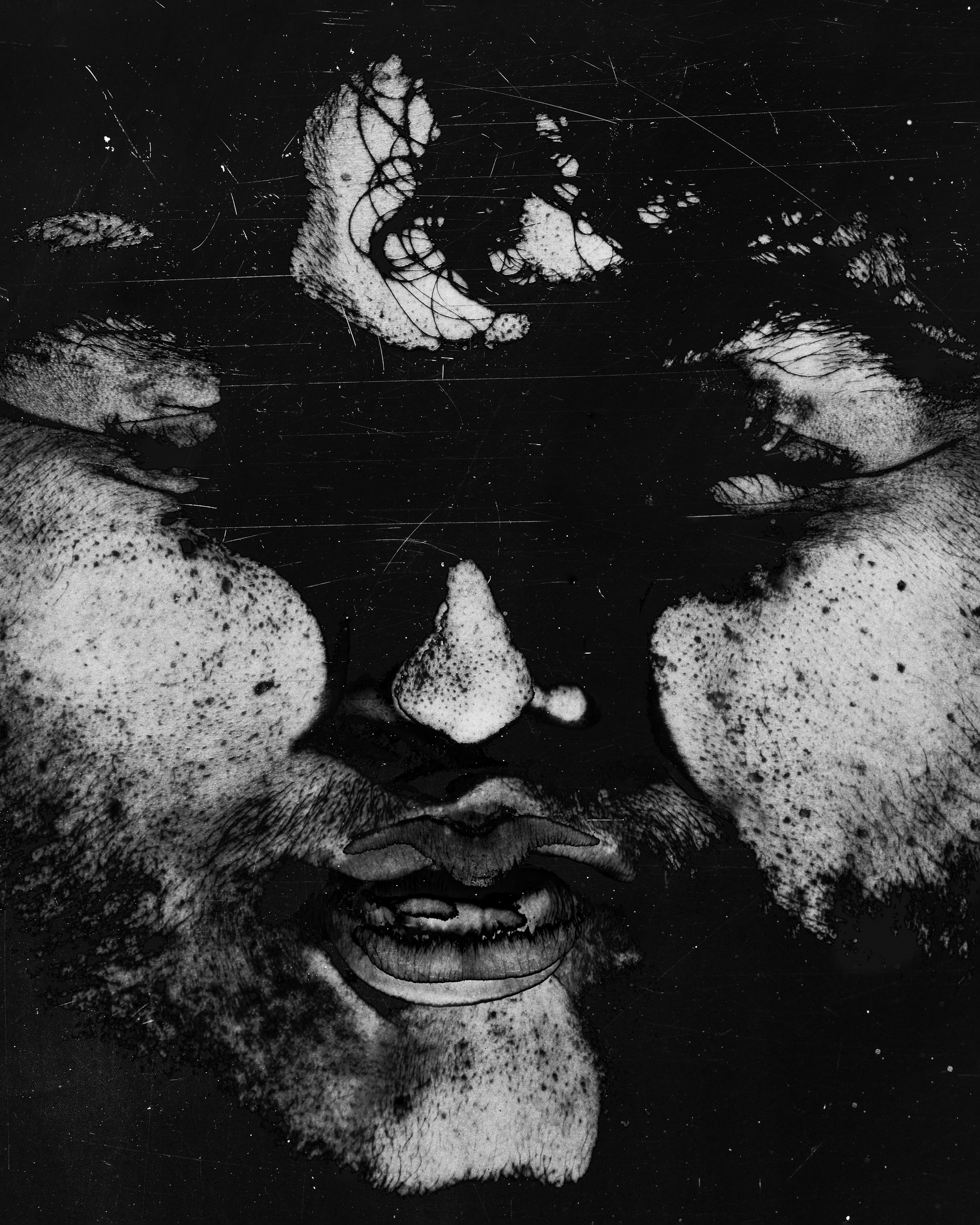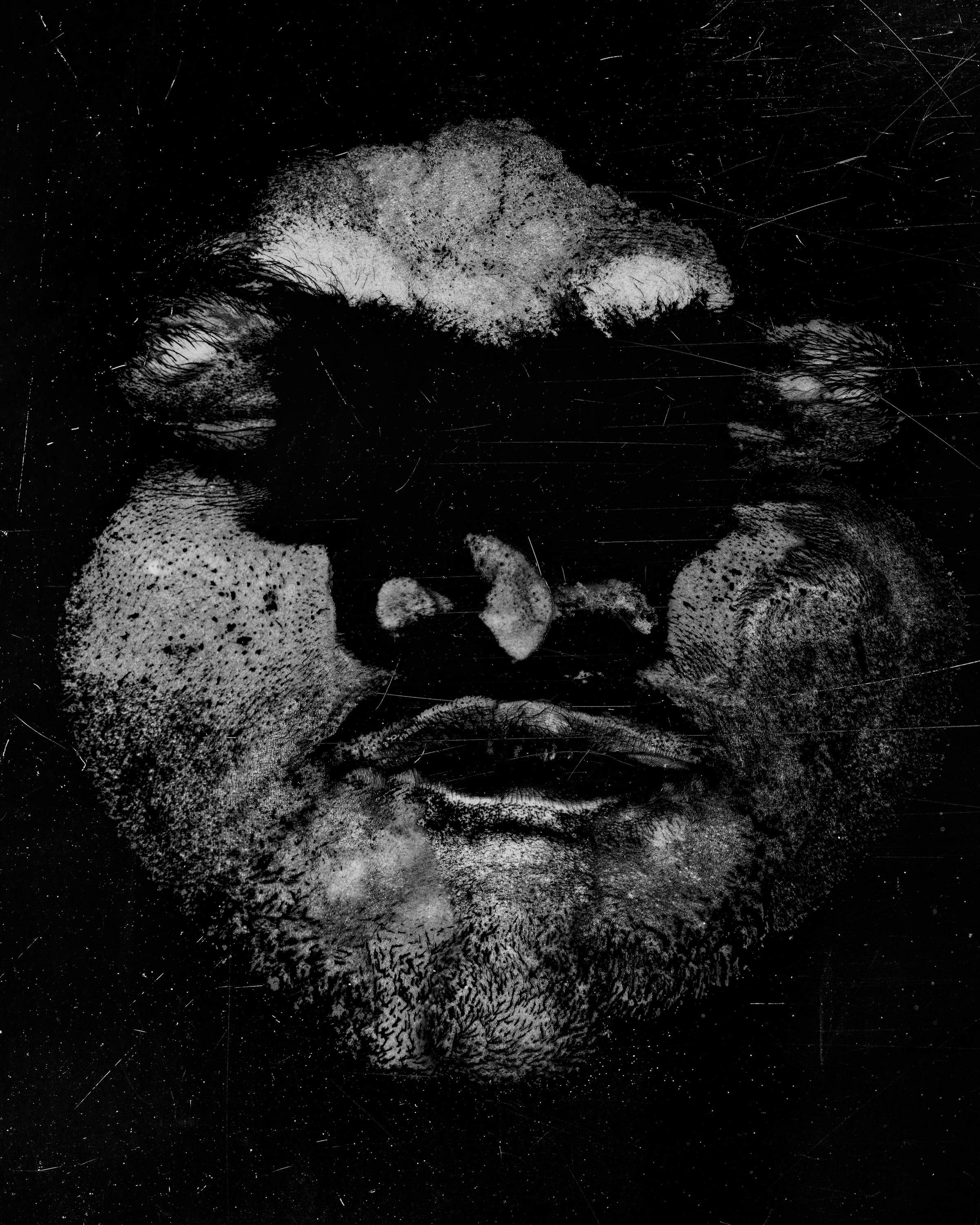
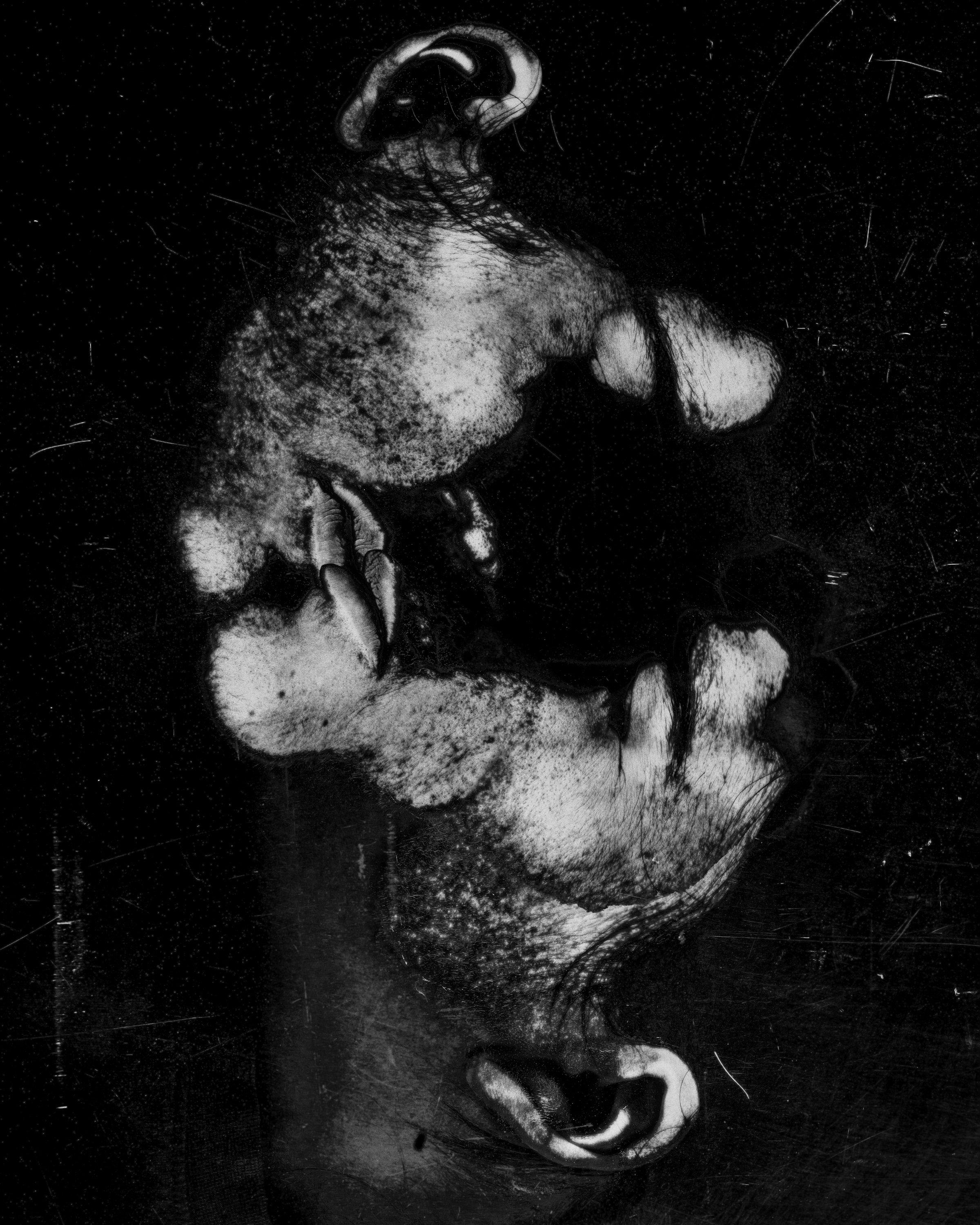
Kirk McKoy Formol reconceives portraiture as an unstable terrain where selective illumination, layered capture, and compositing act like archaeological tools—excavating ridges of bone and skin while deliberately allowing hollows to dissolve. The images refuse photographic certainty: they fracture planes, soften edges, and make identity a distributed, interpretive phenomenon rather than a fixed likeness, asking viewers to inhabit gaps and complete faces mentally. Aesthetically and ethically the series trades on tension between topography and tactility—raised features read like relief maps while recesses absorb light into velvety dark—so each composite becomes a palimpsest of time and micro-movements. By privileging opacity over exhaustive visibility, Formol offers a quiet critique of biometric regimes and a meditation on presence, vulnerability, and the limits of seeing.
This project approaches the face as an unstable surface shaped by light and time. Using a process inspired by fiber optics, only the raised areas of the features emerge, while the recesses dissolve into darkness. The face becomes a fragmented topography rather than a likeness. Each image functions as a partial survey, mapping what resists fixation. In contrast to biometric recognition, the work proposes a porous, imperfect, organic image, where each face retains shadow, silence, and memory. Each image is constructed from multiple photographic captures assembled into a single composite surface.